
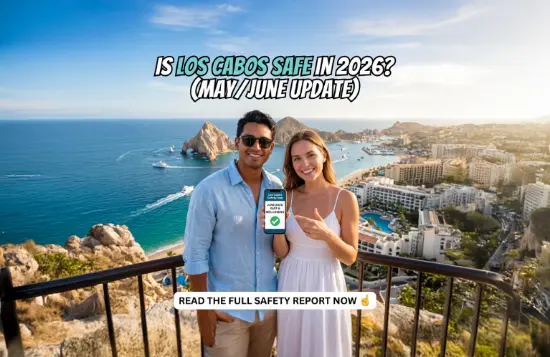
Planning a trip to the Baja Peninsula is a dream for many, but in today’s landscape, savvy travelers prioritize security before they book. If you are wondering, "Is it safe to visit Los Cabos right now?" the answer for June 2026 is a definitive yes.
Los Cabos—which includes the vibrant twin towns of Cabo San Lucas and San José del Cabo—remains a premier destination for international tourists. However, understanding the nuances of the region is vital for a stress-free getaway. This report provides a comprehensive look at the current safety landscape, the reality of travel advisories, and actionable tips for your upcoming vacation.
Understanding the "Level 2" Travel Advisory
Travelers often search for the U.S. State Department’s Mexico Travel Advisory before booking. Currently, Baja California Sur holds a "Level 2: Exercise Increased Caution" status.
It is crucial to understand what this means. "Level 2" is not a travel ban; it is a standard advisory tier applied to dozens of popular global destinations, including many European countries. It essentially advises travelers to exercise the same situational awareness they would use in any major city like Paris or New York.
More importantly, Baja California Sur remains distinct from other Mexican states that face more severe, high-level warnings. As of June 2026, no specific travel restrictions exist for U.S. government employees in this region, making it one of the most stable and protected areas in Mexico.
Need more context on Mexico travel? Check out our guide on Essential Mexico Travel Tips.
The "Tourism-First" Advantage: Why Los Cabos Stands Out
Los Cabos has built its global reputation on hospitality. Because the regional economy depends on tourism, local authorities invest heavily in security and infrastructure to ensure a seamless visitor experience.
Why the "Cabo Bubble" Works
- Visible Security: You will notice a high, friendly presence of municipal police in high-traffic zones, including the Marina, Medano Beach, and the tourist corridor.
- Advanced Surveillance: The region utilizes an extensive, high-definition camera network to monitor key tourist areas, ensuring rapid response times.
- Resort-Community Integration: Most luxury resorts and top-rated hotels in Cabo function as self-contained environments. These secure zones allow you to relax without typical urban stressors.
For more on planning your stay, read our Ultimate Guide to the Best Time to Visit Cabo.
5 Practical Tips for a Secure 2026 Vacation
While the region is secure, your safety ultimately relies on making smart, informed choices. Follow these professional tips to elevate your travel security.
- Use Official Transportation Only: Avoid hailing random street taxis. Instead, book reputable airport shuttles or use established app-based ride services like Uber or Didi. These apps provide GPS tracking and driver identification.
- Stay Within the "Pulse": Enjoy the Marina district and well-lit downtown streets. Like any bustling urban area, avoid wandering into unlit, isolated neighborhoods after dark.
- Respect the Ocean Currents: The greatest risk to tourists in Los Cabos is not crime—it is the Pacific Ocean. Always obey the color-coded flag system. International beach safety guidelines advise sticking to guarded swimming zones like Medano Beach.
- Maintain "Big City" Awareness: Keep valuables secure and avoid flaunting expensive jewelry or large sums of cash in crowded spaces.
- Leverage Digital Tools: Sign up for the Smart Traveler Enrollment Program (STEP) before you leave. You will receive real-time updates directly from the U.S. Embassy regarding your destination.
Discover more ways to enjoy the area in our Top 10 Things to Do in Cabo.
Los Cabos Safety FAQ
Q: Is Los Cabos safe for solo female travelers? A: Absolutely. Thousands of women travel solo to Los Cabos annually. By choosing reputable accommodations, sticking to well-populated areas, and using official ride-share apps, you can enjoy a safe, independent trip. Visit Los Cabos provides excellent resources for planning your itinerary.
Q: Should I worry about cartel activity in tourist zones? A: Violent crime targeting tourists is exceptionally rare in the tourist corridors of Los Cabos. These areas are effectively shielded from the organized crime issues reported in other parts of the country. For verified, local updates, follow trusted regional news outlets.
Q: Can I drink the tap water in Cabo? A: No. Do not drink the tap water. While CDC guidelines recommend caution, high-end resorts and restaurants purify their water for food and ice. Use bottled water for drinking and brushing your teeth to avoid common stomach ailments.
Q: What should I do if I have an emergency? A: Dial 911 for all emergency services in Mexico. This connects you to police, fire, and medical response. Ensure you save your hotel's address on your phone for quick reference. For a list of reputable local spots, check out our Cabo Dining & Nightlife Guide.
Q: Is there any risk from weather events? A: June is the start of the tropical storm season. While rare, it is smart to monitor NOAA’s National Hurricane Center if you are traveling between August and October. In June, the weather is typically hot and dry.
Final Thoughts: Your Paradise Awaits
The June 2026 Los Cabos Safety Report confirms that this region remains a jewel of the Baja Peninsula. It is a destination where modern infrastructure meets world-class hospitality. By practicing common-sense safety measures—booking professional transport, respecting the ocean’s power, and staying within populated areas—you eliminate the vast majority of potential travel headaches.
Don't let the headlines keep you from the horizon. Los Cabos is open, vibrant, and ready to welcome you.
Are you finalizing your travel plans? If you have questions about specific neighborhoods or need tips on selecting a resort that fits your security preferences, drop a comment below!
Disclaimer: Safety conditions are dynamic. This article is based on information available as of June 9, 2026. Always consult official government travel advisories before your departure date.