
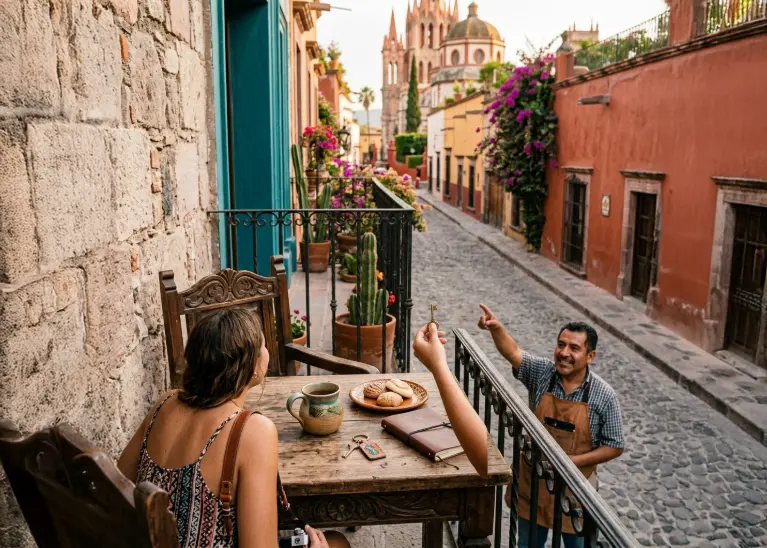
The sun dips below the horizon, painting the sky in shades of bruised purple and gold. You aren’t in a generic lobby defined by cold marble floors and mass-produced art. Instead, you sit in a hand-carved wooden chair, sipping wine pressed from grapes grown just five miles away. You aren't just a guest in a room; you are an active participant in a local story.
This is the promise of boutique hotels with unique local experiences. In an era of travel fatigue—where "luxury" often feels like a copy-paste experience from one major city to the next—modern travelers are prioritizing connection, authenticity, and a sense of place.
As we navigate 2026, the hospitality landscape is shifting. Today's travelers aren't just hunting for thread counts; they search for a "vibe"—a blend of regional heritage, community immersion, and restorative luxury.
1. Defining the Boutique Hotel in 2026
A boutique hotel is more than just a marketing label; it is a philosophy of intimacy, style, and personalization. While large-scale luxury chains rely on standardized protocols to ensure consistency, boutique hotels prioritize individuality.
What sets these properties apart?
- Scale: Most properties maintain fewer than 100 rooms, fostering a private, quiet atmosphere.
- Distinctive Aesthetic: Architecture and design reflect the soul of the neighborhood rather than a corporate manual. Learn more about boutique hotel standards via The AHLA.
- Hyper-Personalization: Staff members function as hosts rather than employees, offering tailored recommendations that feel like advice from a local friend.
- Cultural Integration: The hotel acts as a bridge, weaving regional art and native traditions into the guest journey.
If you are planning your next trip, check out our Ultimate Luxury Travel Essentials Guide to understand what to pack for these bespoke environments.
2. Why Travelers Prioritize Experiential Travel Trends
The demand for unique local experiences is a fundamental evolution in consumer behavior. Travelers now calculate their "Emotional ROI"—measuring trip value by inspiration and discovery rather than material comfort alone. Read the latest McKinsey & Company travel trends report.
The Pillars of Modern Hospitality
- The "Vibe" Economy: In the age of social proof, travelers value environments with a distinctive character—spaces that tell a story and offer genuine, photogenic authenticity.
- Regenerative Hospitality: A growing segment of the population chooses to travel to "leave a place better than they found it." They seek hotels that prioritize local ecology and community support. Explore regenerative practices with the Global Sustainable Tourism Council.
- Active Engagement: Passive sightseeing is out. Today’s travelers prefer active participation—whether it's a cooking class with a regional chef or a guided hike with a local ecologist.
Explore some of our favorite destinations in our Top Regional Travel Guides.
3. How Boutique Hotels Curate Local Culture
How do these properties transform a standard visit into a deep dive into local life? It comes down to hyperlocal curation.
Culinary Immersion
The hotel restaurant is no longer a "fallback" option. Boutique properties turn dining into an immersive sensory journey. Expect sommelier-led tastings of regional terroir or communal farm-to-table dinners where ingredients arrive fresh from a nearby farm. See how EHL Insights analyzes culinary tourism.
Design as Storytelling
Boutique hotels use their physical space to teach guests about the region. You might find walls adorned with works from local artists, linens woven by regional cooperatives, or architecture that utilizes sustainable, locally sourced stone and timber. UNESCO’s perspective on cultural preservation in tourism.
The "Local Insider" Advantage
The true value of a boutique hotel often resides in its concierge, or "Experience Architect." These professionals don't just point you to the top-rated tourist attraction; they open doors to hidden cafes, private galleries, or local events that you would never find in a standard guidebook.
4. The Intersection of Wellness and Locality
Wellness in 2026 has moved far beyond the generic hotel gym. Boutique properties are creating holistic wellness hubs that draw directly from the surrounding environment. Check out our curated list of Wellness Retreats for 2026.
- Indigenous Spa Rituals: Hotels utilize local flora, volcanic mud, or ancient healing techniques specific to the region. Discover trends via the Global Wellness Institute.
- Biophilic Design: Properties incorporate nature directly into the guest room, fostering a sense of calm that connects the traveler to the landscape.
- Sleep-Centric Design: Rooms optimize deep rest through soundscapes, ergonomic lighting, and natural materials.
5. Technology That Enhances the Human Touch
A common misconception is that "boutique" means "low-tech." In reality, the best hotels use technology to facilitate better human experiences.
By automating routine tasks—such as check-in, messaging, and room climate control—through seamless apps, hotel staff are freed from behind the desk. This allows them to spend more time interacting with guests, sharing stories, and providing the high-touch service that defines the boutique experience. How Tech is Changing the Hotel Industry.
6. The Authenticity Audit: How to Choose Your Next Stay
Not every hotel that calls itself "boutique" truly delivers on the promise. When planning your next trip, use this checklist to ensure your choice aligns with your expectations:
- Check the Partnership Profile: Does the hotel explicitly mention partnerships with local artists, farmers, or community guides?
- Read Between the Lines in Reviews: Look for mentions of "personal service," "staff recommendations," or "local feel" on platforms like TripAdvisor travel forums.
- Investigate Their Impact: Search their website for a "Sustainability" or "Community" section. A hotel that cares about its local ecosystem is almost always more authentic.
- Book Directly: Engaging directly with the hotel often provides you with access to their curated concierge service before you even arrive. Read our guide on the benefits of booking directly.
Frequently Asked Questions (FAQ)
What is the main difference between a boutique hotel and a luxury chain?
Boutique hotels prioritize character, intimacy, and local connection, while luxury chains typically focus on global consistency and standardized service protocols.
Are boutique hotels more expensive?
While prices vary, boutique hotels often offer superior value. They frequently include curated experiences, highly personalized service, and design-led comfort that you rarely find in standardized chain hotels. See our tips for affordable boutique travel.
What is regenerative hospitality?
Regenerative hospitality goes beyond basic sustainability. It is an approach that actively restores the environment and supports the local community, ensuring the destination thrives alongside the hotel. Learn more at Skift Travel Industry Analysis.
How do I find boutique hotels with unique local experiences?
Look for properties that emphasize their history, local partnerships, and community involvement on their websites. Reading niche travel blogs and checking verified guest reviews for mentions of "authentic" or "bespoke" experiences is also an effective strategy.
Investing in Moments, Not Just Rooms
The next time you travel, ask yourself: Am I looking for a place to sleep or a place to understand?
Boutique hotels with unique local experiences are more than just accommodations—they are gateways to the true heart of a destination. By choosing properties that reflect the culture, ecology, and community of your destination, you aren't just visiting a place; you are becoming a part of its fabric.
Ready to find your next great escape? Start your search today by looking for locally owned, design-forward properties that prioritize people and place. Have you ever stayed in a boutique hotel that changed how you view a city? Share your favorite experiences in the comments below—let’s curate a list of the world’s most authentic stays together.