
Hiking in Paradise: The Most Scenic Trails Around Los Cabos
- by Raymundo Curiel
-
in 🍹 Lifestyle & Culture
-
Hits: 27

Los Cabos is known for its sun, sand, and turquoise waters—but beyond the beaches lies a spectacular world of mountains, desert canyons, and hidden oases waiting to be explored. This region of Baja California Sur offers some of the most breathtaking hiking trails in Mexico, combining rugged landscapes with unforgettable coastal views.
Whether you want a relaxed coastal walk, a panoramic viewpoint, or a multi-day mountain adventure, this guide covers the most scenic trails in Los Cabos along with practical tips, safety advice, and everything you need to plan your next outdoor escape.
1. Why Los Cabos Is a Top Destination for Hiking
1.1 A Unique Mix of Landscapes
One of the biggest reasons hikers love Los Cabos is its incredible diversity. Within a few hours, you can hike through arid desert terrain, ascend forested mountains, or explore steep sea cliffs overlooking the Pacific.
Highlights include:
- * Sierra de la Laguna Biosphere Reserve – Over 112,000 hectares of pine, oak, and tropical scrub forests, plus freshwater streams.
- * Natural desert oases, such as Fox Canyon (Cañón de la Zorra), where waterfalls and pools contrast dramatically with the surrounding desert.
- * Coastal viewpoints, offering unparalleled panoramas of the Sea of Cortez and the Pacific Ocean.
This variety makes Los Cabos ideal for hikers of all experience levels.
1.2 Conservation and Protected Biodiversity
Recognized as a Biosphere Reserve in 1994, Sierra de la Laguna plays a crucial role as a freshwater recharge zone. Its sensitive ecosystems, endemic species, and geological formations are protected under CONANP regulations to ensure long-term preservation.
2. The Most Scenic Hiking Trails in Los Cabos
2.1 Mt. Solmar—Cabo’s Most Iconic Viewpoint
Short but steep, Mt. Solmar is famous for its panoramic views of Land’s End. Access is only possible through private property, so a local guide is required.
- * Duration: 1.5–2 hours
- * Difficulty: Moderate to challenging
- * Terrain: Rocky, steep, with occasional scrambling
What you’ll see:
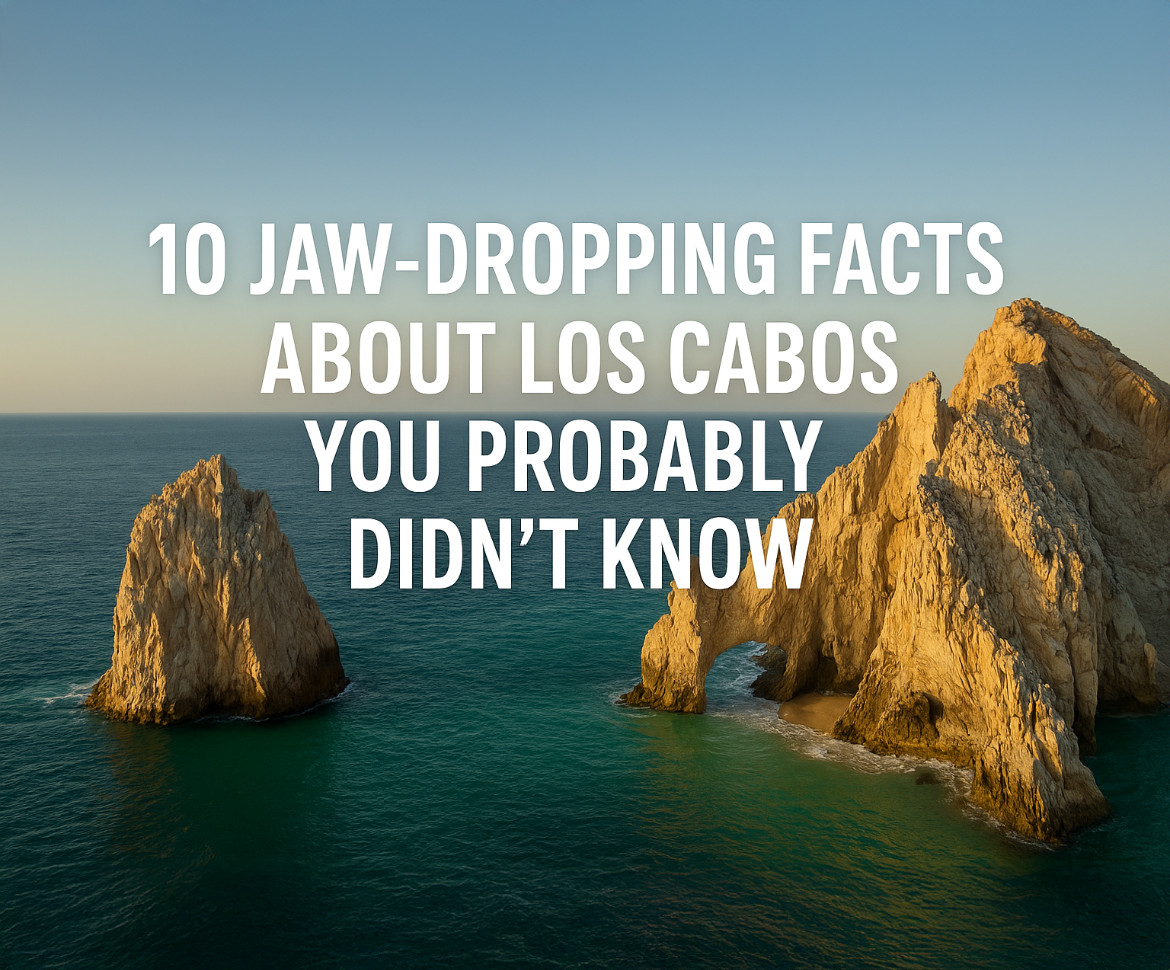
- * The Arch of Cabo San Lucas
- * Land’s End rock formations
- * Lover’s Beach
- * Dramatic desert-meets-ocean scenery
Pro tip: Hike at sunrise for cooler temperatures and fewer crowds.
2.2 Cerro del Vigía / Cerro de la Z—A Local Favorite
Popular among locals for sunrise and sunset hikes, this trail provides wide-open views of the coastline and surrounding mountains.
- * Difficulty: Moderate
- * Why it’s great: Easy access, rewarding panoramic scenery
- * Warning: Minimal shade—bring extra water and sun protection
2.3 Fox Canyon & Sol de Mayo Waterfall – A Desert Oasis
Located deep within Sierra de la Laguna, Fox Canyon (Cañón de la Zorra) is one of Los Cabos’ most picturesque natural attractions. Its granite rock formations, natural pools, and 12-meter waterfall make it a must-see.
- * Trail length: ~1 km each way
- * Access: Through Rancho Ecológico Sol de Mayo
- * Activities: Swimming, photography, nature exploration
- * Best season: October to April
Guided tours often include transportation, entrance fees, water, and lunch (around USD $135 per person).
2.4 Sierra de la Laguna – High-Altitude Wilderness
For experienced hikers, Sierra de la Laguna offers the most challenging and rewarding terrain in the region.
Featured trails:
- * Picacho de la Laguna—A demanding climb leading to one of the highest viewpoints in Baja California Sur
- * San Dionisio Route – A multi-day trek covering roughly 22 km
Why it’s special:
Its isolated mountain ecosystem is considered a “sky island”—home to flora and fauna found nowhere else in the world.
2.5 Cabo Pulmo – Coastal Hiking Near a Living Coral Reef
A UNESCO-designated National Marine Park, Cabo Pulmo is famous for housing the oldest coral reef in North America.
- * Difficulty: Easy to moderate
- * Highlights: Coastal cliffs, wildlife sightings, snorkeling opportunities
- * Recommendation: Respect park rules and consider hiring a certified guide
3. Best Time to Go Hiking in Los Cabos
3.1 Ideal Season
The best months for hiking are November through April, when temperatures are cooler and the weather is more stable.
Avoid midday hikes during summer—desert heat can be extreme and potentially dangerous.
3.2 Weather Safety Tips
- * Avoid canyons after rain due to the risk of flash floods
- * Weather in the mountains can change quickly
- * Download offline maps (e.g., AllTrails)
- * Inform someone about your hiking route and expected return time
4. What to Pack for a Hike in Los Cabos
Essentials:
- * Minimum 2 liters of water per person
- * Sunscreen, hat, and sunglasses
- * Lightweight, quick-dry clothing
- * Trail shoes with strong grip
Helpful Extras:
- * Trekking poles
- * Small towel
- * Swimsuit for canyon pools
- * First-aid kit
- * Offline maps or GPS
- * Cash for park or ranch entrance fees
5. Flora, Fauna & Natural Highlights
On these trails, you may encounter:
- * Giant cardón cacti
- * Pine and oak forests at higher elevations
- * Migratory birds, reptiles, and small mammals
- * Shady desert oases like Fox Canyon
- * Impressive rock formations and coastal cliffs
This mix of desert and mountain ecosystems creates some of the unique hiking environments in Mexico.
6. Safety Tips & Responsible Hiking
Respect the environment
- * Do not remove plants, rocks, or natural materials
- * Avoid disturbing wildlife
- * Pack out all trash
Minimize risk
- * Hire a guide if you’re inexperienced
- * Avoid swimming in unknown depths
- * Only cross streams when conditions are safe
Plan ahead
- * Share your itinerary
- * Bring a fully charged phone
- * Download offline maps
- * Check access rules, especially in Sierra de la Laguna
7. Guided vs. Self-Guided Hiking
Benefits of Hiring a Guide
- * Increased safety
- * Expert knowledge of local flora, fauna, and geology
- * Easier logistics
- * Access to restricted areas (such as Mt. Solmar)
Self-Guided Options
Some trails—like Cerro del Vigía—can be safely done independently with proper preparation. For Sierra de la Laguna, always confirm access regulations and required permits.
8. Hiking, Ecotourism & Local Communities
Hiking in Los Cabos supports:
- * Local ranches
- * Certified tour guides
- * Small communities
- * Conservation programs
By choosing sustainable practices, hikers help protect these natural areas for future generations while supporting the local economy.
9. Frequently Asked Questions
What are the difficulty levels of the main trails?
- * Mt. Solmar: Moderate to challenging
- * Cerro del Vigía: Moderate
- * Fox Canyon: Intermediate
- * Sierra de la Laguna: Moderate to advanced
Do I need a permit to enter Sierra de la Laguna?
Access rules vary depending on the entry point. Check with CONANP or a trusted local guide.
Can I swim at Fox Canyon?
Yes—its natural rock pools are one of the biggest highlights of the area.
When is the best season to hike?
From November to April, when temperatures are mild.
Discover Paradise on Foot
Los Cabos is far more than world-class beaches—it’s home to mountains, canyons, coastal cliffs, and breathtaking trails that transform every hike into an unforgettable experience.
Whether you’re climbing Mt. Solmar at sunrise or trekking through the legendary Sierra de la Laguna, each route reveals a more authentic and untouched side of the region.
Plan your adventure, respect the environment, and discover why Los Cabos is one of the most rewarding hiking destinations in Mexico.
Comments
- No comments found


Leave your comments