
10 Jaw-Dropping Facts About Los Cabos You Probably Didn’t Know
- by Raymundo Curiel
-
in 🌴 Travel Guides & Itineraries
-
Hits: 38
Uncover the Hidden Secrets of Los Cabos
Los Cabos is famous for its luxury resorts, golden beaches, and vibrant nightlife—but beneath the glamour lies a destination filled with natural wonders, cultural depth, and fascinating stories. From a beach that appears only once every few years to record-breaking wildlife conservation programs, Los Cabos holds surprises even seasoned travelers haven’t discovered.
In this article, we reveal 10 jaw-dropping facts about Los Cabos that showcase its hidden side. Whether you’re planning your first trip or returning for another adventure, these insights will deepen your appreciation for Mexico’s most dazzling coastal paradise.
1. El Arco: The Stunning Point Where Two Oceans Collide
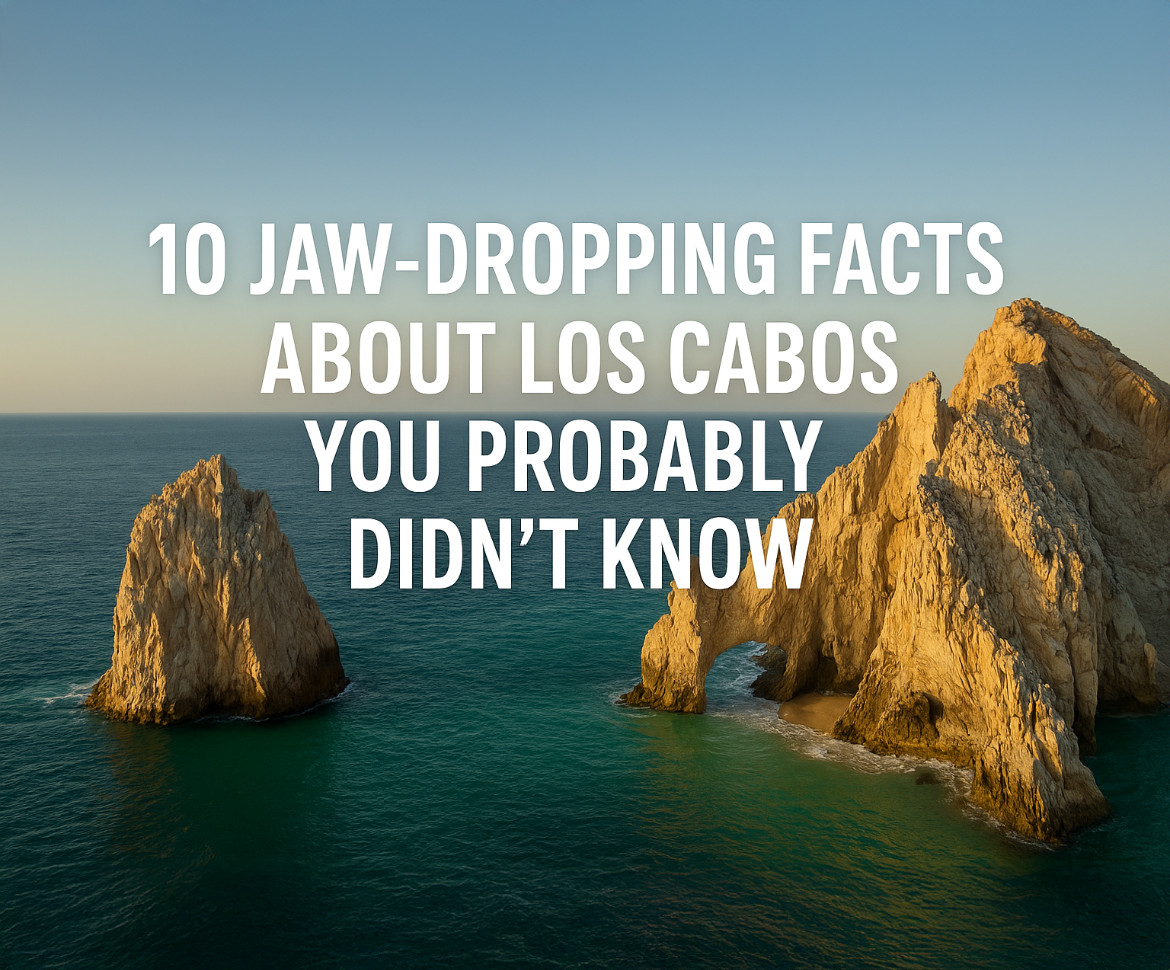
At the southernmost tip of the Baja California Peninsula stands El Arco de Cabo San Lucas, the legendary rock formation known as Land’s End. Here, the Pacific Ocean meets the Sea of Cortez, creating a mesmerizing fusion of colors and currents.
Shaped by centuries of wind and waves, the Arch marks the exact meeting point between continental North America and the open sea. On rare occasions, a hidden beach appears beneath the Arch when the tides are unusually low—a breathtaking sight that occurs only once every few years.
📸 Tip: Visit early in the morning for the best light and to see sea lions basking on nearby rocks.
2. The Vanishing Beach That Appears Every Few Years
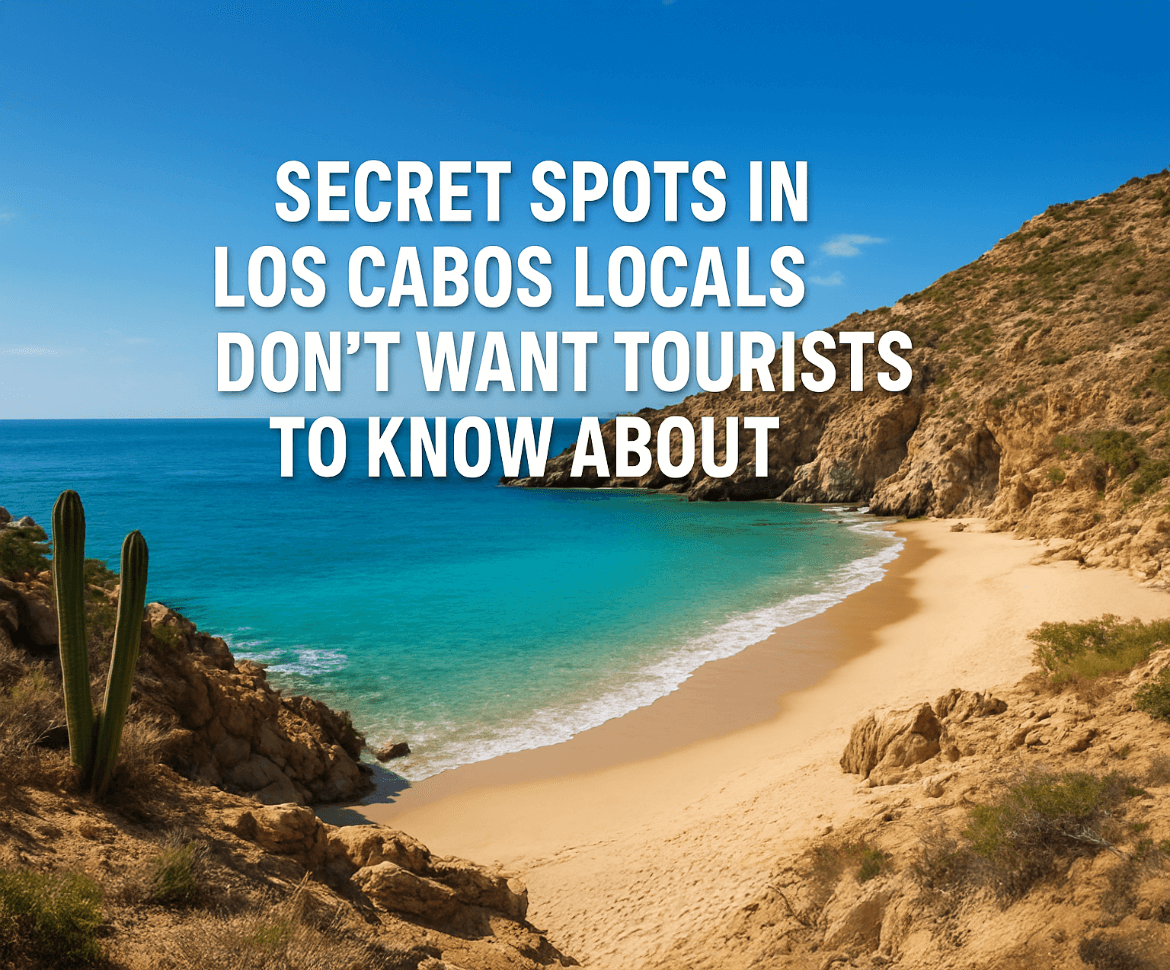
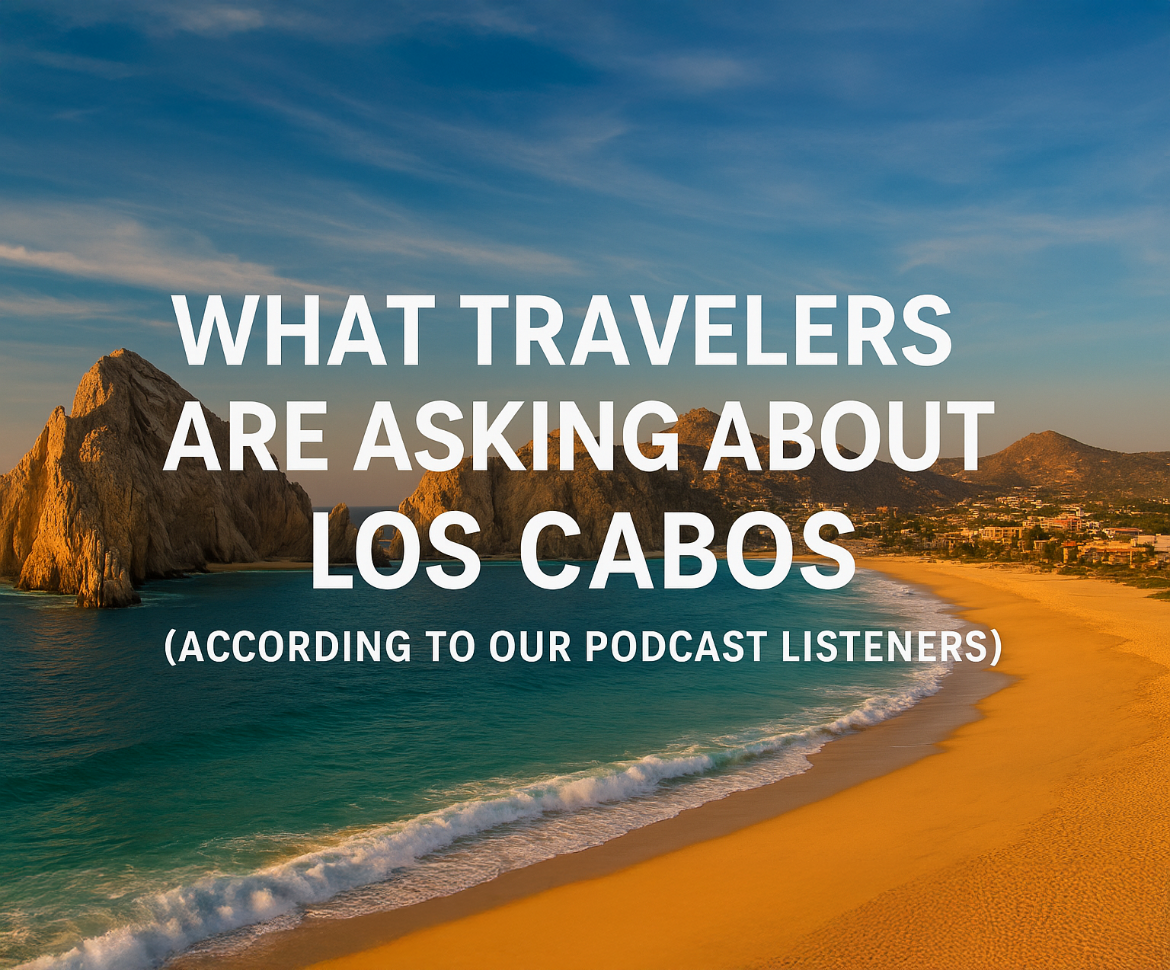
Just beyond El Arco lies one of Los Cabos’ most mysterious natural phenomena—a beach that disappears and reappears depending on the tides. This temporary stretch of sand connects Lover’s Beach (Playa del Amor) and Divorce Beach (Playa del Divorcio) for a few fleeting days before vanishing again beneath the water.
This rare event, caused by shifting sand and tidal movement, happens roughly every three to four years. Locals often call it “the twin of Lover’s Beach” and consider it a symbol of good fortune for the fishing community.
When it appears, it becomes one of the most photographed locations in Los Cabos—a true natural marvel.
3. A Turtle Sanctuary for Thousands of Hatchlings
Between June and December, the beaches of Los Cabos transform into one of Mexico’s most active turtle nesting zones. Species such as Olive Ridley, Leatherback, and Hawksbill turtles return year after year to lay their eggs on these warm sands.
According to The Cabo Post, the 2024 nesting season recorded over 21,000 turtle eggs and 1,100 protected nests, with more than 70,000 hatchlings successfully released into the ocean—thanks to conservation efforts by ASUPMATOMA A.C. and local volunteers.
Travelers can even join guided turtle release programs, turning an eco-conscious act into a memorable travel experience.
🌊 Eco-tip: Choose sustainable hotels and tours that actively support wildlife conservation in Los Cabos.
4. Nearly 40% of Visitors Return—And Often Sooner Than Expected
Los Cabos isn’t just a vacation spot—it’s a destination that captures hearts. Statistics from Travel and Tour World (2025) reveal that nearly 38% of travelers return within two years, drawn by the region’s unmatched beauty and hospitality.
Visitors return for:
- * Over 320 days of sunshine each year.
- * Exceptional service and luxury standards.
- * Safe, family-friendly environments.
- * Endless choices for adventure, dining, and relaxation.
As one traveler put it, “Cabo feels like home—only with better sunsets.”
5. The Wellness Revolution: Where Luxury Meets Serenity
In recent years, Los Cabos has become one of the world’s top destinations for wellness travel. Nearly one in five visitors (18%) now come specifically to unwind, heal, and recharge.
From sunrise yoga on secluded beaches to sound-healing ceremonies in the desert, Los Cabos offers holistic experiences in stunning natural settings. Top resorts such as One&Only Palmilla, Waldorf Astoria Los Cabos Pedregal, and Nobu Hotel attract visitors seeking tranquility and renewal.
💆♀️ Trend insight: Wellness travelers spend an average of $3,000 per trip, making this one of Cabo’s fastest-growing tourism sectors.
6. Mexican Travelers Are Reclaiming Cabo
Once dominated by international tourists, Los Cabos is now witnessing a surge in domestic tourism. According to The Gringo Gazette (2025), visits from Mexican travelers have risen by 8.5%, fueled by affordable flights, improved roads, and renewed national pride.
More Mexicans are discovering the magic of Cabo firsthand—from family getaways to honeymoon escapes. The region now ranks among the top three destinations for national holidays in Mexico, alongside Cancún and Puerto Vallarta.
🇲🇽 Fun fact: Many Mexican travelers view Los Cabos as the perfect blend of nature, sophistication, and cultural authenticity.
7. Three Ecosystems in One: Desert, Mountains, and Sea
Few places on Earth offer the diversity of Los Cabos’ landscapes. Within an hour, you can explore desert dunes, hike through mountain waterfalls, and snorkel in the Sea of Cortez, famously dubbed “the aquarium of the world” by Jacques Cousteau.
Here’s what makes it so unique:
- * Desert: Towering cardón cacti, wild burros, and desert foxes.
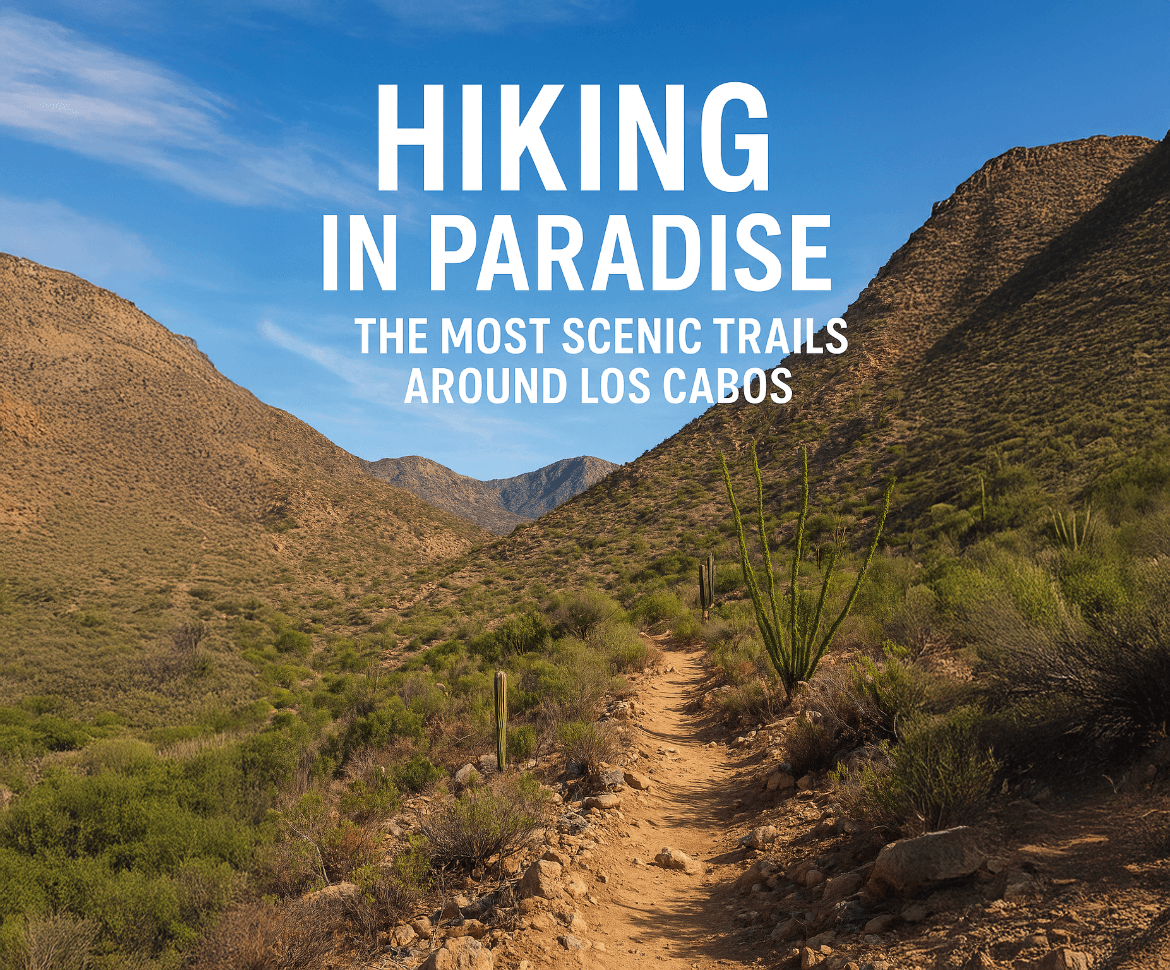
- * Mountains: The Sierra de la Laguna Biosphere Reserve, a lush escape with waterfalls and natural pools.
- * Ocean: A marine sanctuary teeming with whales, dolphins, and colorful reef fish.
Los Cabos isn’t just a beach destination—it’s an ecological wonder where adventure and nature intertwine.
8. The Paradox of Luxury: Prices Drop, Demand Climbs
Los Cabos’ luxury market is booming—but not in the way you’d expect. According to the Los Cabos Hotel Association (2025), the average daily rate (ADR) for high-end hotels has dropped by 10%, even as occupancy climbs toward 80%.
This shift makes luxury more accessible than ever. The increase in boutique eco-resorts, wellness retreats, and design-forward hotels has created healthy competition, offering travelers premium experiences at better value.
🏨 Travel tip: Visit during the shoulder seasons (May–June or September–October) for top-tier accommodations at surprisingly low rates.
9. From Humble Beginnings to Global Fame
Long before becoming a luxury destination, Los Cabos was a humble fishing village home to the “Choyeros”—descendants of the area’s early settlers, named after the resilient choya cactus.
The transformation began in the 1970s when the Mexican government developed the Los Cabos Corridor, linking Cabo San Lucas and San José del Cabo. In just a few decades, it evolved from a quiet port into a world-class tourism hub.
Yet, its local traditions remain alive:
- * Annual festivals honoring the Virgin of the Sea.
- * Classic Baja dishes like machaca and fish tacos.
- * Family-run fishing boats still operating from Cabo Pulmo and La Playa.
Los Cabos’ identity is built on contrast—luxury and tradition, coexisting beautifully.
10. A Global Leader in Eco-Tourism and Sustainability
Los Cabos is quickly becoming a model for sustainable tourism in Mexico. Its efforts span from turtle conservation to plastic-free tour operations and energy-efficient resorts.
Key eco-initiatives include:
- * 25+ Blue Flag beaches recognized for cleanliness and safety.
- * EarthCheck-certified resorts like Chileno Bay and Grand Velas Los Cabos.
- * Plastic-free whale-watching tours and reef-safe diving excursions.
- * Municipal programs launched in 2025 to reward eco-friendly businesses.
🌎 Sustainability insight: Every eco-certified stay helps protect Cabo’s pristine ecosystems for future generations.
Why Los Cabos Keeps Captivating the World
From its disappearing beach to its world-class sustainability efforts, Los Cabos constantly surprises even its most loyal visitors. It’s not just a destination—it’s a living story of evolution, resilience, and beauty.
Every visit offers something new: a hidden cove, a turtle hatchling, or a desert sunset that leaves you speechless.
If you thought you knew Los Cabos, it’s time to look again—because this paradise is always revealing something new.
Frequently Asked Questions About Los Cabos
- When is turtle nesting season in Los Cabos?
From June to December, with peak hatching between August and October. - How often does the hidden beach appear under El Arco?
Roughly every 3 to 4 years, depending on tides and sand movement. - Is Los Cabos safe to visit in 2025?
Yes. Official tourism reports confirm Los Cabos as one of Mexico’s safest destinations. - What are the best months to visit Los Cabos?
May–June and September–October offer the best balance of weather, rates, and smaller crowds.
Ready to Experience the Real Los Cabos?
From eco-adventures and cultural encounters to five-star indulgence, Los Cabos offers endless ways to fall in love with Baja California.
Don’t just read about it—experience it.
👉 Explore more hidden gems, travel tips, and insider guides at InsideLosCabos.top.
Comments
- No comments found

Leave your comments